
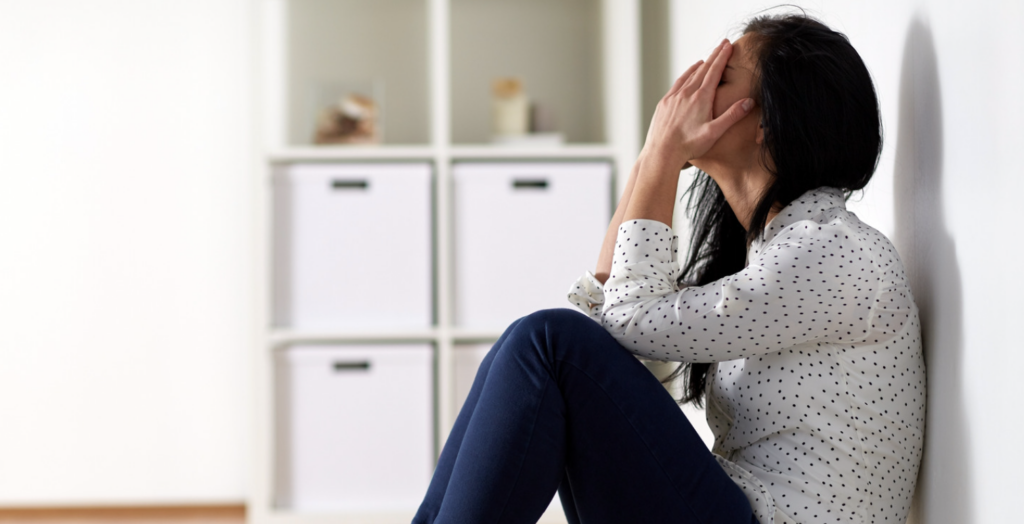
When we think about domestic violence, we generally think of physical rather than emotional harm, because emotional wounds don’t leave a mark. “There may be no physical bruises,” says Dr. Danielle Graddick, a psychologist and member of JBWS’ board. “But there are internal bruises.
In general, if a person tells someone they are experiencing abuse, they might respond with “I didn’t know that they ever touched you.” Then the person experiencing emotional abuse will have to clarify that they were never physically harmed. That alone can make you question whether your situation is really that bad.
“I think there is a huge misunderstanding of just how damaging emotional abuse is,” Graddick says. And for the victim, “it can be incredibly hard not to have that validation.”
To learn more about this topic, either listen to the podcast episode below or keep scrolling!
Exploiting your insecurities
“The formal definition of emotional abuse is a pattern of non-physical behaviors that are intended to exploit another person’s vulnerabilities and insecurities,” Graddick continues. “These are not occasional, one-off behaviors, but a consistent pattern of behaviors that are meant to diminish your self-esteem, erode your confidence and gain control over you.”
Sometimes the behaviors are obvious: yelling, slamming doors, cursing you out, or being extremely critical. But other behaviors may be harder to detect. For example:
- Gaslighting: Manipulating you into thinking that your experience isn’t really true, or that things didn’t really happen even though you know they did. “For example,” Graddick points out, “Your partner may yell at you for not doing the dishes that night. You might say, ‘I actually did do them at 10PM, but you were already asleep.’ Your partner may respond, ‘Well, that’s not true – and besides, I never yelled at you about it, so I don’t even know why we’re in this argument.’ This makes you question your reality and second-guess yourself, which can feel really, really scary.”
- Masking: “Some people are really great at masking abuse as care and concern” Graddick explains. “This might look like, ‘You know, babe, I really would prefer if you not wear that outfit. I worry about your safety.’ Or, ‘Babe, I just really want to preserve your health and I would prefer that you not eat that cookie right now,’” Graddick explains.
“A partner who is truly concerned about your health may say this in a caring way. But if they say it in a nasty tone, or at times when it’s not appropriate, or they say it with the intention of shaming you or getting control over you – that’s when it starts to wade into the emotional abuse category.”

Why emotional abuse can be hard to spot
“Many people have trouble recognizing emotional abuse because they’ve experienced abuse or neglect in their childhood, so this type of relationship feels familiar,” Graddick continues. “If you grew up with parents who made you feel bad about yourself, or if your partner’s behavior reminds of the dynamics between your parents, you may be unconsciously drawn to recreating that pattern. You may believe that an emotionally difficult relationship is the best you’re ever going to get.”
It can be especially hard to identify warning signs at the beginning of a relationship, when a partner is typically on their best behavior, hiding their controlling tendencies until a bond has been established.
The body knows
If you’re not sure whether you’re experiencing abuse, Graddick advises, “check in with your nervous system.” She reports that many of her clients have low-level stomach pain, queasiness, or frequent headaches. Some also feel “a sort of temperature fluctuation between being really hot and being really cold, or a subtle shaking or sweating when they interact with that person.”
How do you feel when they walk into the room – does your body signal to you that you don’t feel safe? How do you feel when you hear their car pull into the driveway? Do you have persistent anxiety you don’t understand?
By contrast, being in a healthy relationship makes you feel grounded and supported. You feel like you can talk to that person about difficulties that you’re experiencing without them denying your reality. You feel free to make your own choices, or make mistakes, without being shamed.

You deserve better
Over time, emotional abuse can eat away at your identity. As one of Dr. Graddick’s clients put it “I just became smaller and smaller and smaller. I didn’t even feel like my life and my body was mine any more.” This loss of perspective is one reason people find it so difficult to leave abusive relationships.
Getting free starts with self-compassion, Graddick says. “There’s a lot of self-blame and shame for getting into a relationship like this. But if you haven’t been in a healthy loving relationship for a really long time, or ever, it’s understandable. You didn’t choose to have this happen and it’s not your fault. This is something that was done to you.”
Instead of blaming yourself, she says, give yourself compassion while you figure it out. “You may not show up as your best self every day. There might be lots of trauma and hurt, depression or anxiety. But we all deserve the chance to start over … You deserve to be loved in a way that makes you feel good. You deserve a safe and stable, healthy relationship. If you’re not in one right now, that’s OK. That’s not a reflection of who you are.”
Help is right here
“There are people who care about you and want to support you through this experience,” Graddick adds. “Recognizing emotional abuse for what it is, is like the soil that flowers can grow from. Once you name it you can start to tame it. There’s power in that.”
If you suspect that you might be in an emotionally abusive relationship, JBWS can help. You do not need to be experiencing physical violence to access our services. We are here to support people impacted by all forms of abuse.
Additional Resources and Information: