
Self-care is often portrayed as luxurious vacations, trips to the spa, or expensive meals out. However, these methods aren’t always accessible to people experiencing abuse. Their partners may control their finances, their schedule, and their relationships, leaving them with little ability to focus on themselves.
So, how can victims of abuse take care of themselves? Listen to JBWS’ podcast episode on this topic or scroll to keep reading.
Redefining Self-Care:
“When someone is feeling overwhelmed and exhausted, this idea of self-care can feel like just one more task for them to do,” says Maria Lagattuta, director of JBWS’ Morris Family Justice Center. “People will say, ‘How can I fit in self-care when I’m worried about my children, finding a place to live, or keeping my job?”
This is why we must redefine self-care.
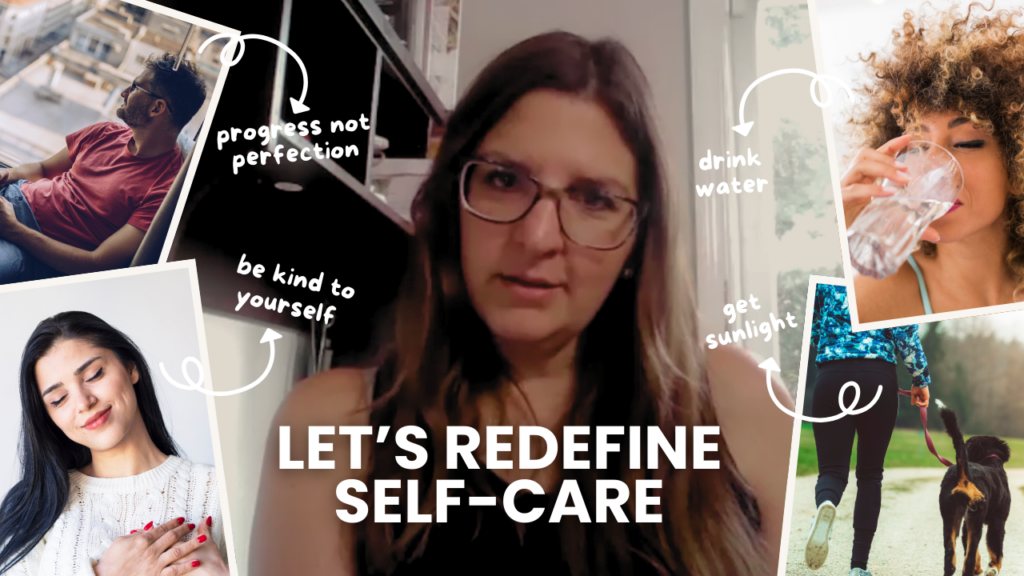
It doesn’t have to involve expensive pampering or even take a large chunk of time. Self-care can be standing in the sun for a few moments, drinking an extra glass of water, or going to bed thirty minutes earlier than usual. If someone is experiencing abuse, they may not have the energy for more elaborate self-care measures.
“Sometimes just getting out of bed and taking a shower is enough. That can be enough self-care for a day,” says Maria. “You have to give yourself grace, because you’re doing the best you can, and self-care isn’t going to be perfect.”
By breaking self-care down into smaller, more manageable activities, it might feel less overwhelming for people experiencing abuse. If you can’t stand outside in the sunshine, then sit by a window to feel the sun on your skin. If you can’t take a warmth bath, splash some water on your face. Self-care is entirely what you make it.

Does it Really Work?
Some people may wonder – can these small acts of self-care actually make a difference? How would engaging with these practices help a person experiencing abuse?
“When we’re stressed, our animal brain, the part that controls emotion, takes over and we can’t process things. Self-care practices allow our prefrontal cortex, or smart thinking brain, to come back online,” explains Maria. “If we breathe, if we meditate, if we take care of ourselves then the animal brain goes down. Then we can think more clearly and be present.”
This is beneficial because it allows people to makes choices that are healthy for them and their family. These self-care practices can also build self-confidence and a sense of worthiness.
“Even if they don’t believe it, people experiencing abuse are still worthy human beings,” says Maria. “Saying that might be hard to believe, but we want to connect our brains to our hearts. It’s not going to happen the first time, it’s a gradual process that builds this sense of worthiness.”
Where Do I Start?
Starting a self-care journey can feel overwhelming, particularly for someone in an abusive relationship. They may have been told what to do, and what not to do so often that choices can feel unsafe and uncomfortable instead of empowering.
“I tell people this all the time, I will not tell you what to do,” says Maria. “I can encourage things but if you try it and it works then keep doing it. If it doesn’t work, then let’s fine something else that works.”
There is no cookie cutter answer to self-care. While certain practices may be effective for some people, they may not work for everyone. It’s a gradual process of learning what works for you and what doesn’t.

Self-Care Suggestions:
- YouTube is filled with great, free resources. Search for:
- 5-10 minutes of beginner’s yoga
- 5-10 minutes of guided meditation
- Videos on box breathing
- Go for a walk outside
- Drink an extra glass of water
- Go to bed 30 minutes earlier than usual
- Get some sunlight
- And most importantly, be kind to yourself
To find significantly more resources for coping and grounding, click here.
If you’re in an unhealthy relationship and need help, JBWS is always here. Call 1.877.782.2873 or visit jbws.org/services. If you notice unhealthy or controlling behaviors in yourself, call 973.539.7801