

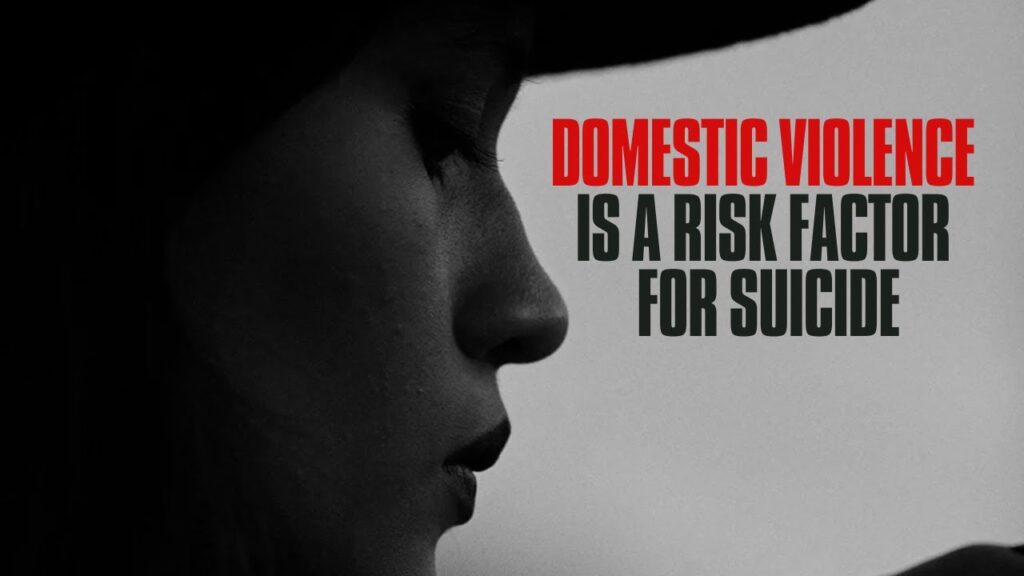
Domestic violence and suicide are two topics that people may feel uncomfortable discussing due to the stigma they carry. However, domestic violence is considered a risk factor for suicide and talking about it could save a life.
“When someone is suffering so much, there is a lot of shame and guilt associated with that,” says Jessica Testa, a counselor at JBWS. “Not only is the person feeling hopeless and helpless, but they also don’t feel like they can talk to anybody about it.” This isolation may cause victims of abuse to feel like suicide is the only way out but that is not true – help is always available.

Why Talking About Suicide Matters:
Refusing to talk about domestic violence and suicide just increases the isolation that victims of abuse already experience. Normalizing these discussions is the only way to break through the isolation, shame, and stigma that surrounds them.
“It’s important to directly ask if someone is having suicidal thoughts,” says Testa. “You will not put a thought into somebody’s mind that wasn’t already there to begin with by asking if they’re thinking about suicide. We want to open the door for communication and show the person that you’re there to support them.”
Tips for talking about suicide:
- Directly ask if they are having suicidal thoughts: Don’t be vague. Ask the person “are you having thoughts of suicide?” It may be easier for them to say yes to that question than say the words themselves.
- Show the person that you care about them: Isolation can convince victims of abuse that they are alone, express your care and concern for them
- Don’t try and solve or fix all their problems: A lot of life’s problems can’t be solved immediately, just lend an empathetic ear.
- Don’t shame them for having these thoughts: Judging people for experiencing suicidal ideation can just cause more isolation
- Seek professional help when necessary: Dial 988 for the Suicide and Crisis Lifelineor dial 1.877.782.2873 for JBWS’ 24-Hour Helpline
“The danger in isolation is that you don’t see outside of yourself and you could start to believe you’re alone in this experience,” says Testa. “But I can promise you that there are people who do care and who want to help you.”
Help is always available.
Resources:
Suicide and Crisis Hotline: 988
Coping Skills and Grounding Techniques
To learn more about mental health, suicide and domestic violence, stream this episode of Unsilenced: Real Conversations About Abuse.