
There is a common misunderstanding of who experiences abuse and how common domestic violence really is. The prevailing narrative is that abuse isn’t an issue or that it is happening outside of our communities. However, statistics show that domestic violence has impacted someone you know.
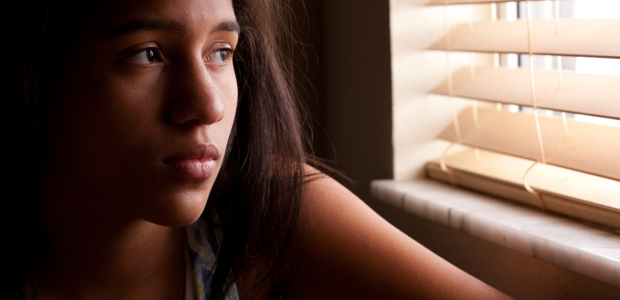
Abuse doesn’t always leave marks
Although domestic violence (DV) and intimate partner violence (IPV) are often used interchangeably, they are not really the same thing. Domestic violence is violence that occurs when people are residing together. This could involve an intimate couple, a parent-child, siblings, or a roommate situation. Intimate partner violence is violence that occurs between two individuals that are involved in an intimate relationship. These individuals do not necessarily need to be living under the same roof. JBWS serves all people impacted by domestic violence and intimate partner violence.
However, the term violence itself can be misleading. Many are aware of physical violence, primarily because of its increased visibility. Less discussed, but just as prevalent in abusive relationship are:
- Verbal abuse
- Technological abuse
- Financial abuse
- Emotional abuse
- Learn more about forms of abuse at jbws.org/about-domestic-violence
Listen Now or Scroll for More Information:
Abuse can take on so many forms that most people may not recognize that they’re experiencing these forms of abuse. Society’s understanding of abuse was shaped from images that tended to highlight the result of physical violence – the black eye, the clenched fist. Though impactful, it minimizes all the other forms of abuse that people experience. Unfortunately, this can lead to hesitation in individuals stepping forward and asking for help if they are not being physically injured. Many times the other forms of control manifest as more subtle types of abuse that take place first, and if we’re not recognizing it, then it would be hard to stop the abuse from escalating.
As a movement, there is a shift that strives to bring awareness to all the varying forms of violence and break the stereotypes of who may experience it.

How JBWS started
In 1976, a group of women realized that there were no real resources in Morris County for their friends, family, and neighbors who were experiencing domestic violence. It was also a time when there wasn’t much recognition that domestic violence was an issue in the area. Two years before the National Coalition Against Domestic Violence was formed, a group of courageous women decided that enough was enough. They were going to take the matter of preventing domestic violence into their own hands and created a grassroots organization called JBWS in March of 1976. These dedicated women started a helpline in their kitchens and provided shelter in their homes. In a very short period of time, there were over 30 women being sheltered in these homes.
In a tragic oversight, the press revealed the location of JBWS’s largest makeshift safe house in 1977, forcing its doors to close. After its shutdown, two women who utilized these services were murdered by their husbands. These tragedies underscored the importance of having a designated, discrete, and secure shelter for victims of domestic violence so, on December 26, 1978, JBWS opened the organization’s emergency shelter, now known as Arbour House. While JBWS has since transitioned from housing victims in personal homes to a 33-bed safe house and an 11-unit apartment building, the core tenet of JBWS remains unchanged: we do everything in our power to help those in need.
Let’s talk about it:

The secretive nature of domestic violence continues today. The more we talk about the issue, the easier it is for people to access services and realize that non-judgmental support is available.
“There is so much shame connected to being a victim of domestic violence that it becomes a barrier to seeking help”
Conversations about what domestic violence is and how it can impact anyone need to continue. Domestic violence grows in silence. Individuals abusing others use isolation as a method of control. It starts so very slowly that it’s almost hard to recognize that it is happening. Distance starts to get created between friends and family members. Before they know it, a victim of domestic violence feels so isolated and alone in what they are dealing with.
This isolation in addition to feelings of shame that may come with being a victim of domestic violence makes it very difficult to recognize the abuse and seek services. The less domestic violence is discussed, the easier it is for people who are using abuse to continue with their behaviors unchecked. Self-blame begins to happen in the process of being controlled, manipulated and abused. When you start to hear over and over again messages that: This is your fault. You are not good enough. You start to actually take on those beliefs and it becomes harder and harder to reach out to say, “I need some support,” because not only are you more isolated but you are beginning to believe the situation is happening because of something you have done.
Diane Williams, President and CEO of JBWS, emphasizes victims of violence need to know that “In no way is this your fault. You didn’t cause this and you don’t have to continue to stay in that situation.”
Unless we talk about the issue, people won’t be able to recognize the signs of domestic violence or they won’t think it is their business to get involved. When we know that:
- 1 out of 4 women
- 1 out of 7 men, and
- 1 out of 3 teenagers
will be victims of violence in their relationship in their lifetime. We’re talking about your friends, your family, your neighbors, and maybe even…you.
So many others have gone through this…

We need to have these conversations. We need to:
- Educate ourselves about the resources in the community,
- Understand that we can intervene safely and without judgment
Saying to a victim that they are not alone is incredibly impactful to someone who is suffering in silence. Sharing resources that can assist someone in developing a safety plan or help get them connected to counseling could help save lives. Likewise if there is recognition that someone is using unhealthy, controlling abusive behaviors in their relationship, they could be connected to abuse intervention programs.
You don’t have to be ready to leave an abusive situation before you reach out for help. Sometimes it is about having a conversation with someone who understands domestic violence and who will listen. There is an opportunity to not feel alone in what is happening. There are people who will not judge you and who can share both resources and strategies that are available to you now or in the future. The helplines aren’t just for victims of domestic violence but also anyone impacted by the issue. This may be a friend or colleague or family member that is concerned about someone experiencing domestic violence.
There has been a significant increase in people seeking support from domestic violence agencies which begs the question: is domestic violence increasing in our area? Williams states it could be a number of factors. As a society, the emergence into a post-covid world with an increase in mental health and substance abuse as well as an increase in financial stressors certainly have contributed to the rise in DV-related reports. Though these externalities alone don’t cause domestic violence, they contribute to a perfect storm for abuse to emerge and thrive. On the other hand, increased awareness through social media campaigns, visibility at local community events, and through conversations about the topic have also hopefully made many more people aware that DV continues to be a problem and that resources exist close to home that can help.
Talking about DV can be uncomfortable but exploring topics such as:
- Why does the person continue to abuse? And can they really change?
- Why don’t victims just leave their abusive relationship?
- Is my teenager in an unhealthy relationship and how can I tell?
Having conversations about these topics and so many others with domestic violence professionals, victims, psychologists, social workers, and abusers helps to end the culture of silence that surrounds domestic violence.
If you’re in an unhealthy relationship and live or work in Morris County, JBWS can help. Please call our 24-Hour Helpline at 1.877.782.2873 Hablamos Español Interpreters Available. Deaf/Hard of Hearing: Text (973) 314-4192