What is Domestic Violence?
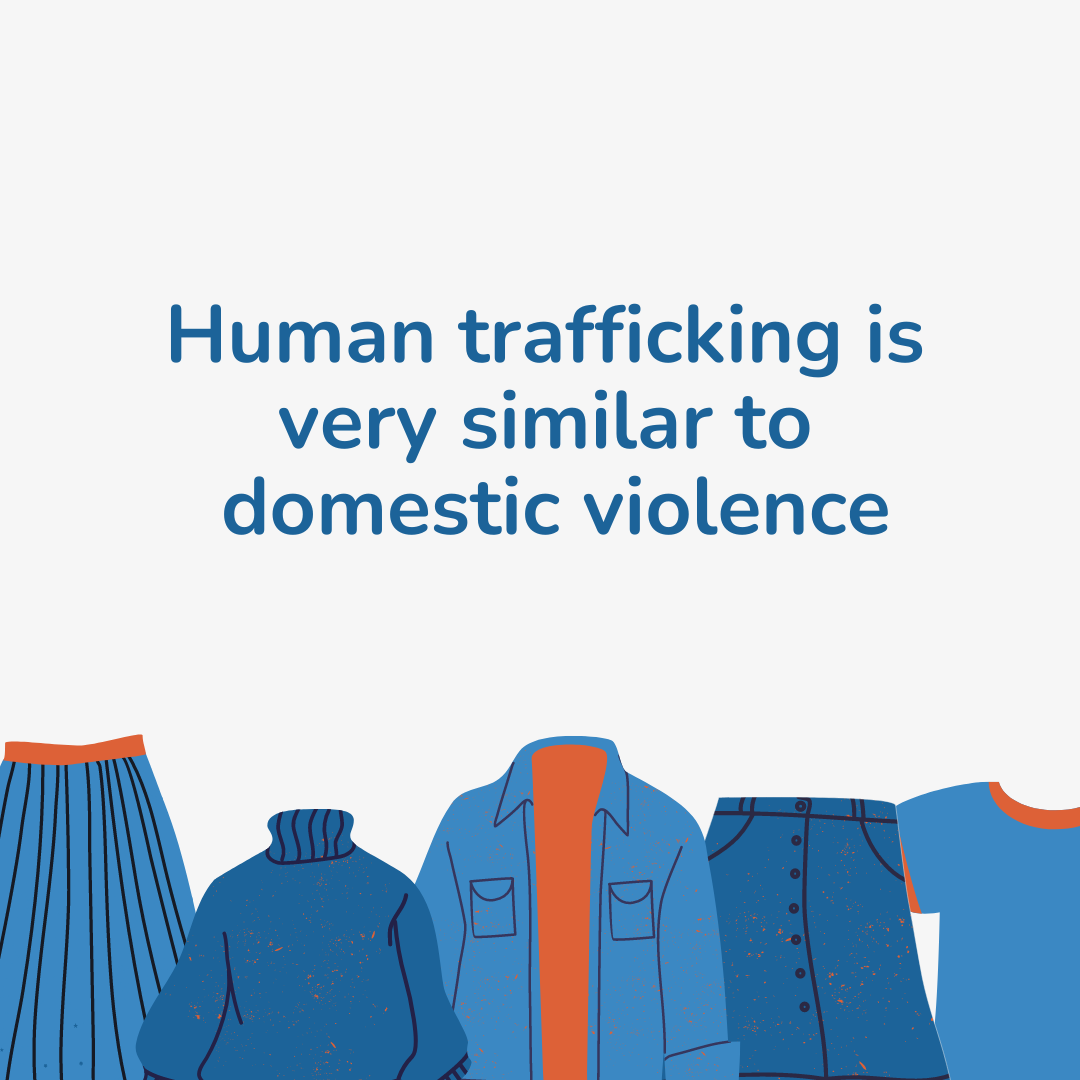
Domestic violence is a pattern of coercive behaviors that are used to establish power and control over another person.
It can happen to anyone without regard to age, gender, sexual orientation, race, or socio-economic status. Abuse can occur in marriages, committed relationships, between casual dating partners, or in any type of situationship.
JBWS is here to help, call our 24-Hour Helpline at 1.877.R.U.ABUSED, 1.877.782.2873, Deaf/Hard of Hearing: Text 973.314.4192 Hablamos Español Interpreters Available

For Businesses
There are four main ways that businesses and corporations can support JBWS during DVAM.
For The Community
One of the best ways that members of our community can help JBWS prevent domestic violence is simply by talking about it.
There is a stigma associated with domestic violence in our society and the only way to break that stigma is by normalizing discussions about abuse, sharing information about it, and encouraging people to seek assistance.
This DVAM:
Attend An Event
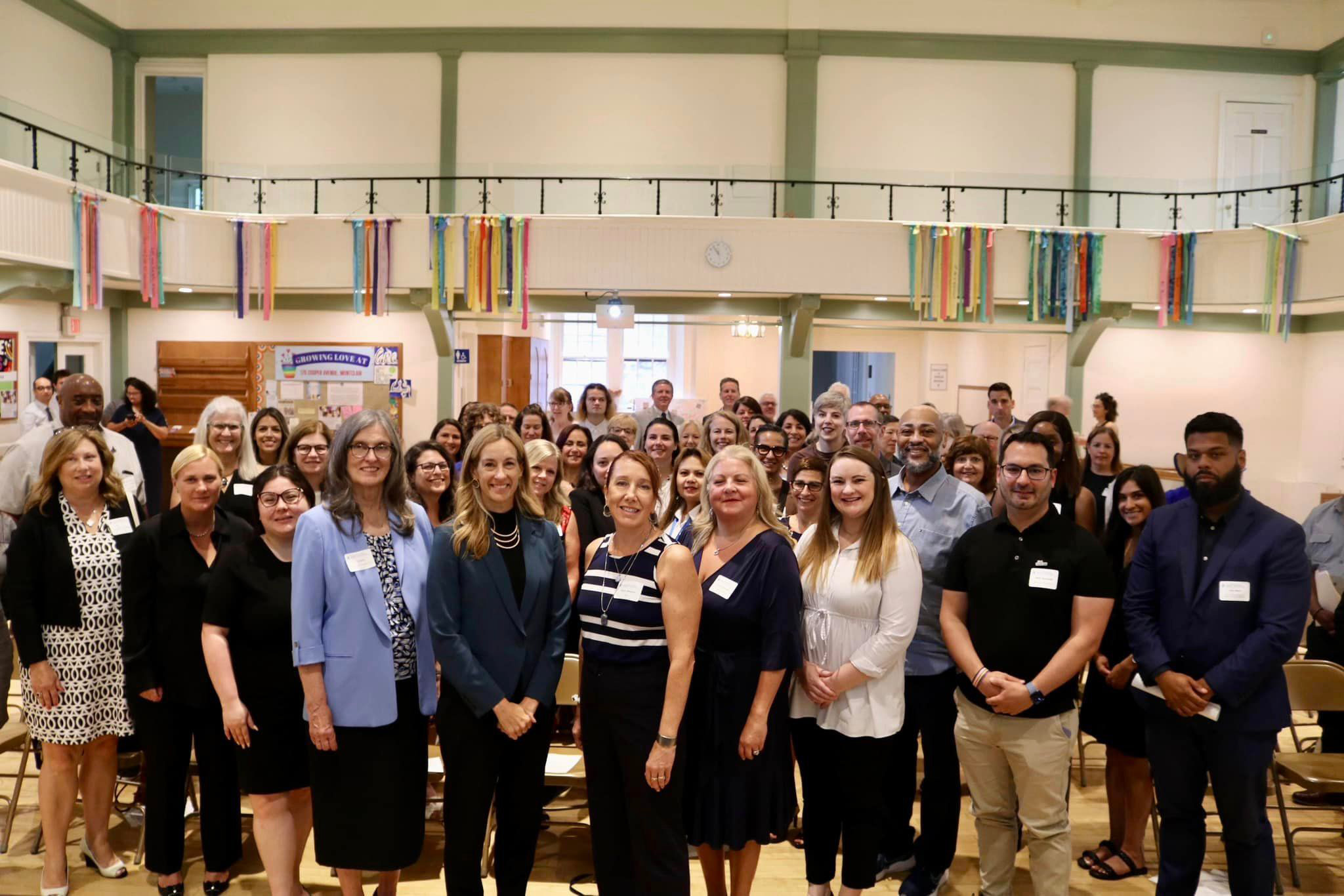
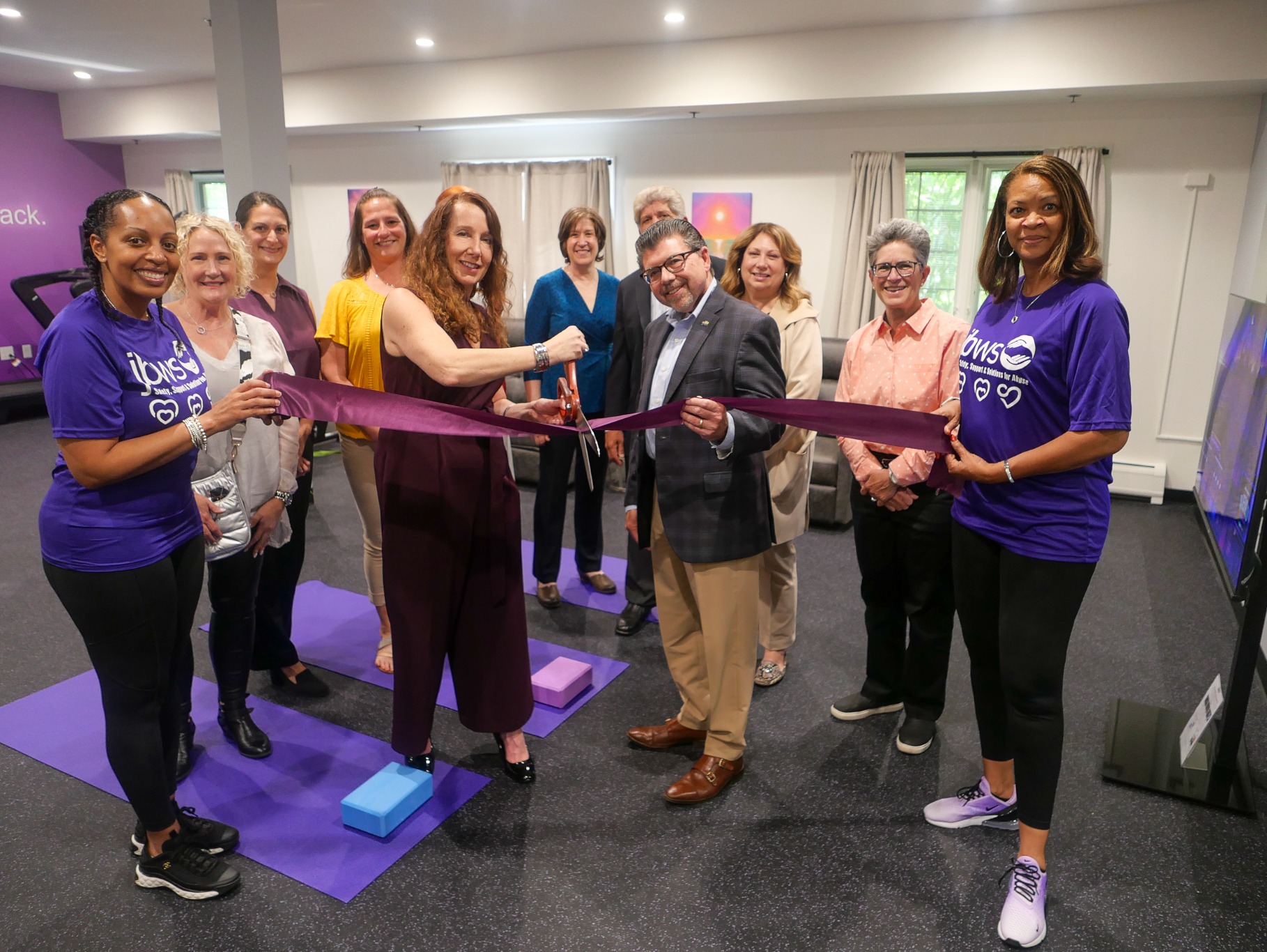
Consider attending one of JBWS' events during Domestic Violence Awareness Month this year! Our 11th Annual Autumn Auction for Hope takes places on Tuesday, October 17th at 11am at the Park Avenue Club and JBWS' Half Marathon for Hope is happening on Saturday, October 21 at 9am at 412 Mt. Kemble Ave. Morristown.
The funds raised at our special events help us provide life saving services to our clients. Without the generosity and support of our donors, we would not be able to offer critical services to those impacted by domestic violence such as: our 24-Hour Helpline, residential programs, counseling services, abuse intervention programs, and community education services.
Educational Information
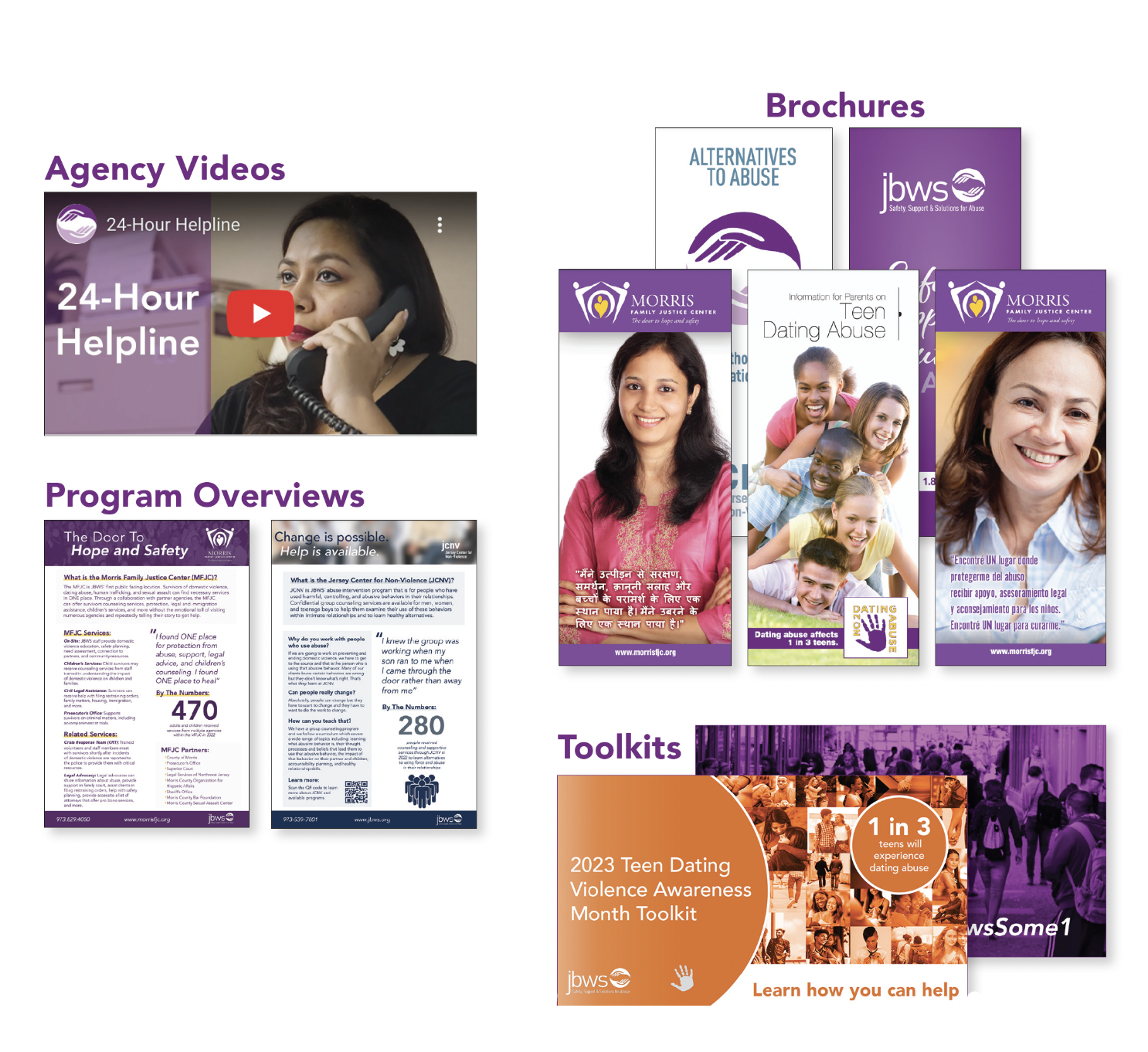
If you’re interested in spreading awareness about domestic violence but don’t know where to start, JBWS has compiled a Community Resources page filled with flyers, agency videos, brochures, program overviews, information on how to talk about abuse, and toolkits.
With easily shareable and downloadable content, this page was designed to facilitate discussion about domestic violence and encourage people to spread awareness about this issue in their communities. The page has everything you need to start talking about domestic violence and to share the work JBWS does every single day to prevent it.
Find it at jbws.org/community-resources
Types of Abuse
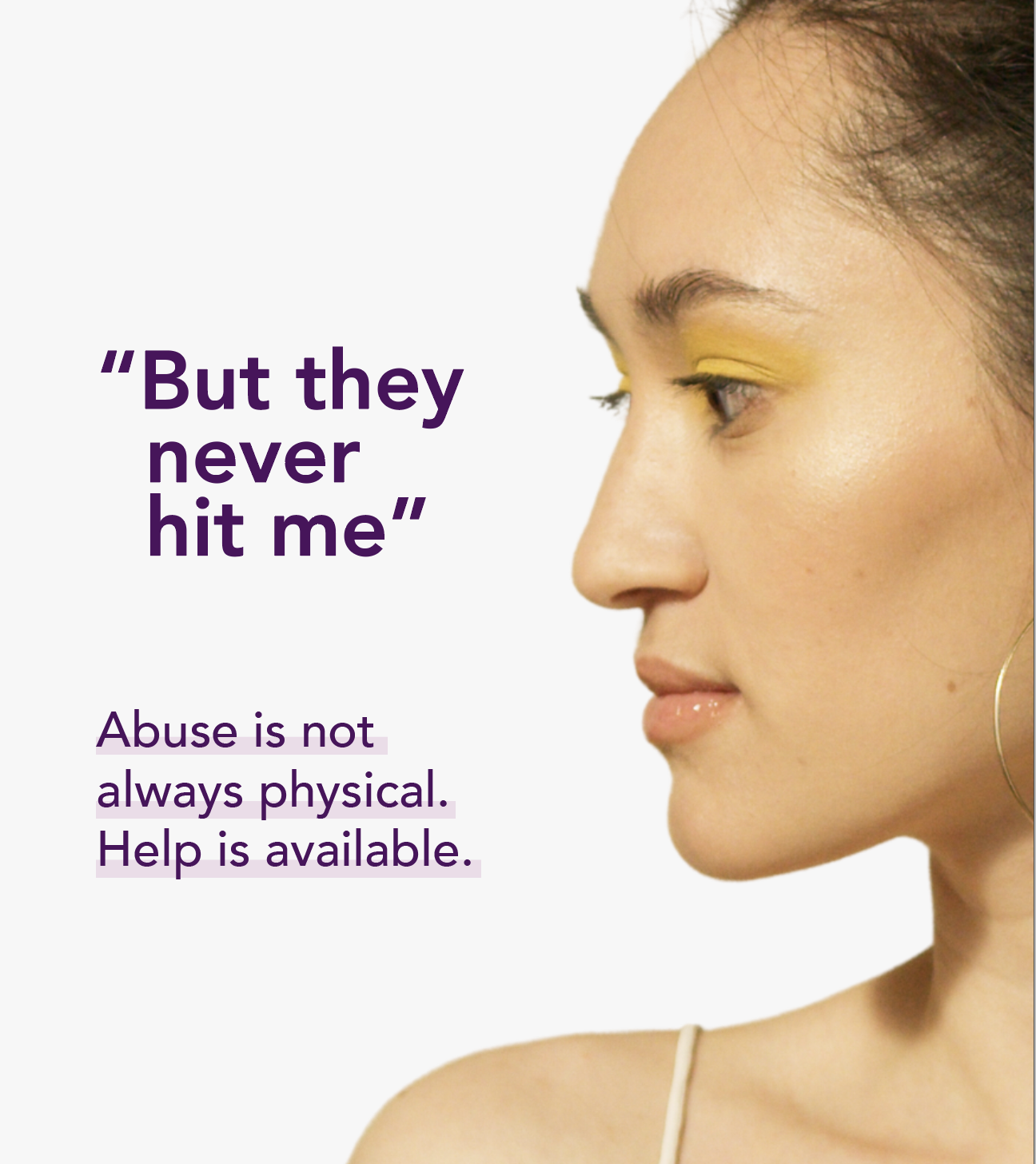
Did you know that not all abuse is physical?
In fact, there are numerous forms of abuse that do not include physical violence. For instance, emotional abuse, financial abuse, intimidation, isolation, mental health coercion, minimizing/blaming, reproductive coercion, sexual abuse, spiritual abuse, stalking, status abuse, substance abuse coercion, technology abuse, and threats/coercion are all forms of abuse.
If you'd like to learn more about all of these forms of abuse, then visit: jbws.org/about-domestic-violence
How to Express Concern
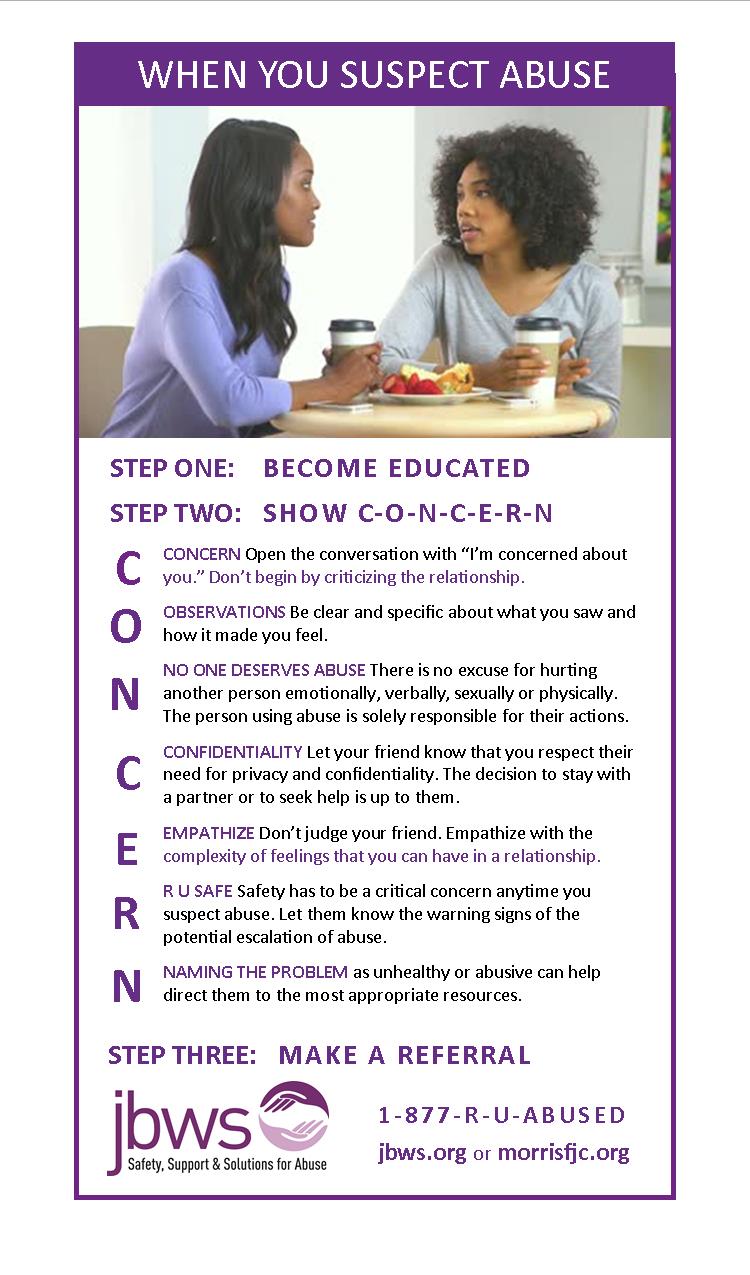
When you think someone might be in an abusive relationship, follow these three steps to express concern for their wellbeing.
Step 1: Become educated about domestic violence
Step 2: Show C.O.N.C.E.R.N
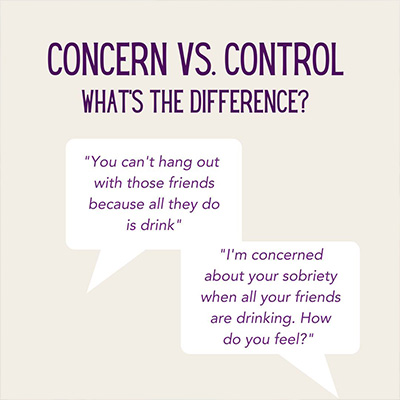
Concern: Open the conversation with "I'm concerned about you." Don't begin by criticizing the relationship.
Observations: Be clear and specific about what you saw and how it made you feel.
No One Deserves Abuse: There is no excuse for hurting another person emotionally, verbally, sexually, or physically. The person using abuse is solely responsible for their actions.
Confidentiality: Let your friend know that you respect their need for privacy and confidentiality. The decision to stay with a partner or seek help is up to them.
Empathize: Don't judge your friend. Empathize with the complexity of feelings that you can have in a relationship.
R U Safe: Safety has to be a critical concern anytime you suspect abuse. Let them know the warning signs of the potential escalation of abuse.
Naming the problem: as unhealthy or abusive can help direct them to the most appropriate resources.
Step 3: Make a referral