
One of the most confusing aspects of domestic violence is that abusive behavior usually doesn’t happen all the time. If a relationship were abusive 24 hours a day, seven days a week, it might be easier to recognize the problem and seek help. Instead, many abusive relationships follow a pattern known as the cycle of violence. This keeps people trapped in a complicated mix of love, hope, and fear.
Understanding this pattern can help people recognize unhealthy relationship dynamics and better understand why leaving is often far more complicated than it may appear from the outside.
Phase One: The Tension Builds
The cycle often begins with a period of growing tension. During this stage, the person using abusive behaviors may become more critical, argumentative, impatient, or agitated. Small conflicts become more frequent, and the atmosphere in the relationship begins to shift. For many survivors, this is the stage often described as “walking on eggshells.”
Warning signs may include:
- Increased criticism or blame
- Frequent arguments over minor issues
- A harsher tone of voice
- Threatening body language
- Slamming doors or throwing objects
- A noticeable increase in anger or irritability
Over time, survivors often become highly attuned to these changes. They may notice subtle shifts that others would miss such as a particular look, a change in posture, a heavy step, or a specific tone of voice. These behaviors can signal that the situation is escalating.
Phase Two: The Explosion
As the tension continues to build, it eventually reaches a breaking point. This is the stage where abuse becomes more overt and intense. While many people associate domestic violence solely with physical violence, the explosion phase can take many forms.
It may include:
- Threats and intimidation
- Screaming or verbal attacks
- Destroying property
- Punching walls or objects
- Physical violence
- Sexual violence
- Restricting someone’s movements or freedom
The purpose of these behaviors is often power, control, and intimidation. Even when physical violence has not yet occurred, escalating threats and aggressive behaviors can be important warning signs. In many relationships, the severity of these incidents increases over time. What began as yelling may progress to threats, intimidation, or physical violence if the pattern is left unaddressed.
Phase Three: The Honeymoon Phase
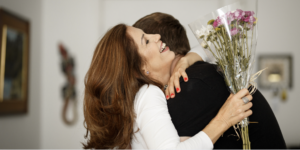
After an abusive incident, the relationship may suddenly feel completely different. The person who caused harm may apologize, express remorse, and promise that it will never happen again. They may blame stress, alcohol, work pressures, or outside circumstances for their behavior. They may become especially affectionate, attentive, and loving.
Common statements during this phase may include:
- “I’m sorry.”
- “It will never happen again.”
- “I was just stressed.”
- “I love you.”
- “I love our family.”
For the person experiencing abuse, this phase can bring enormous relief. After living through the fear and anxiety of the previous stages, the affection and kindness can feel reassuring and genuine. It may also remind them of the person they fell in love with in the first place.
Why the Cycle Is So Hard to Leave
One of the biggest misconceptions about domestic violence is the belief that survivors stay because they are not afraid enough to leave. The reality is much more complicated. The cycle is sustained by three powerful emotions: fear, love, and hope.
Fear comes from the abuse itself. Love comes from the positive aspects of the relationship and the emotional connection that still exists. Hope comes from believing the promises that things will change. When these emotions exist together, they can create tremendous confusion. A survivor may recognize the abuse while also believing that the person is genuinely sorry. They may feel afraid while simultaneously remembering the loving moments in the relationship.
This emotional conflict is one reason why domestic violence can be so difficult to understand from the outside.
Recognizing the Pattern
If you find yourself constantly waiting for the next argument, monitoring another person’s moods, walking on eggshells, or feeling relief when things are temporarily calm again, it may be worth taking a closer look at the dynamics in your relationship. Recognizing the pattern does not mean you have to make immediate decisions. But understanding the cycle can be the first step toward identifying unhealthy behaviors, seeking support, and prioritizing your safety.
No one deserves to live in a relationship defined by fear, intimidation, or control. Healthy relationships are built on respect, trust, and safety not abuse.
Resources:
National Domestic Violence Hotline: https://www.thehotline.org/
Morris County, NJ 24-Hour Helpline & Referral: 1.877.782.2873
Passaic County, NJ 24-Hour Helpline & Referral: 1.973.881.1450