
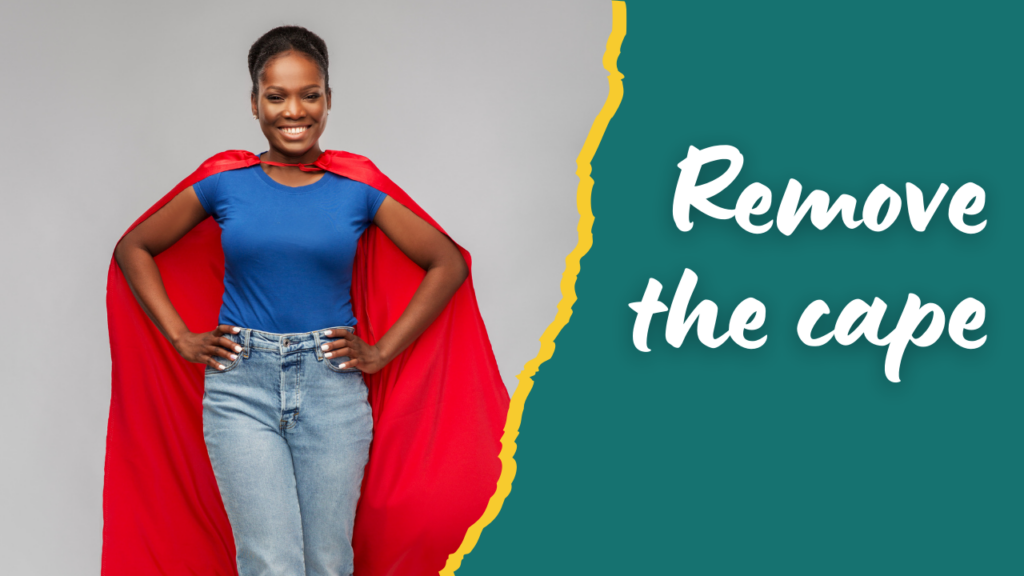
While strength may seem like a positive attribute, the belief that Black women are uniquely strong may prevent victims of abuse from seeking help. They may hold a false belief that seeking services would make them weak.
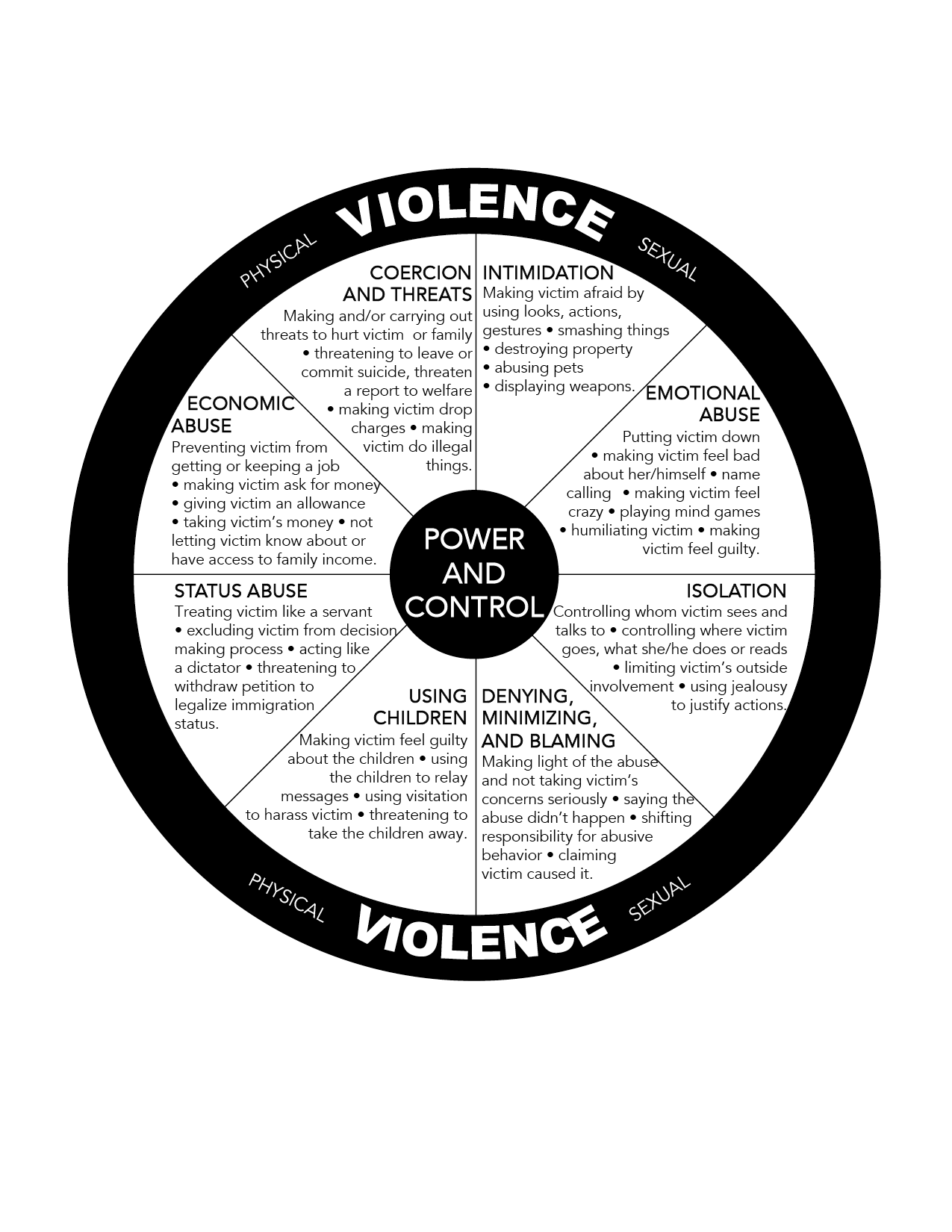
“People have said to me, ‘you’re stronger than that, you’re a fighter, how did this happen to you?’” says Tamu King, a survivor of domestic violence and founder of The Changed Mind. “I explain to them that domestic violence is about power and control, it has nothing to do with the strength of a victim.”
How This Stereotype Dehumanizes Black Women
By viewing Black women as these superheroes who don’t feel pain and can endure any hardship, then there is no recognition of their humanity and vulnerability. This could lead to dehumanizing all Black women. One of the most powerful ways to combat the strong Black woman stereotype is by allowing Black women to be human, to feel pain, to express fear, and to create safe places for them to be vulnerable.
“If I tell you I hurt, believe me. If I tell you he’s abusive, help me out,” says King. “Don’t judge me. Don’t assume it was my fault because you think I’m ‘too strong’ to be a victim.”
The pressure to always be strong causes Black women to suppress their emotions instead of processing them and may make them reluctant to ask for help when they’re experiencing abuse. “If you see me as always being strong, then when I finally say ‘help,’ that becomes a problem. It feels like a failing or something,” says King.
Remove the Cape:
Society has forced Black women to wear their strength like a cape. But this cape has caused Black women to suffer in silence. It has prevented them from seeking help, and caused immense harm in numerous aspects of their lives.
It’s time to remove the cape.
“You do not have to carry the weight of the world on your shoulders. You are allowed to be vulnerable,” says King. “You are allowed to seek support. And most importantly, you are allowed to be human.”
Resources:
Learn more about JBWS’ services
Learn more about how domestic violence presents in the Black community.
Learn more about how abuse presents in the Black community by streaming this episode of Unsilenced: Real Conversations About Abuse.