

Mood swings, excessive phone usage, and spending less time with family might be normal for some teenagers or it could be a sign that they are experiencing dating abuse. Understanding the signs of abuse in teen relationships can help parents, guardians, and family members identify when a teenager may need support.
Changes in Mood and Behavior:
“If you notice that your teen is withdrawing from activities that they used to love, and it began after they started dating their partner, then that can be a sign that dating abuse is occurring,” says Maddie Hahn, manager of JBWS’ Dating Abuse Prevention Program. Some behavioral changes may include reducing time spent with family and friends, not participating in sports, clubs, or hobbies, quitting a job, withdrawing from commitments, or spending an excessive amount of time with their partner.
A sudden shift in demeanor can also be a cause for concern. If your teenager appears more anxious than usual, it may be worth taking a closer look.
Red Flags:
- Increased signs of stress and anxiety
- Constantly preoccupied with checking their phone
- Seeming to feel obligated to reply to messages instead of choosing to respond
- Defending or justifying their partner’s concerning behavior
- Appearing more withdrawn or emotionally distant

Each Teenager is Unique:
When assessing whether dating abuse is occurring in your teenager’s relationship, it’s important to first consider their personality. What’s normal for one teenager might be abnormal for another. For instance, some teenagers might see their friends five times a week while others may only hang out with their friends twice a month. If the teenager who used to see their friends five times a week suddenly only sees them twice a month, that could be a sign that something is wrong. Especially if they also seem stressed, constantly preoccupied with their phone, and withdrawing from their other hobbies and interests.
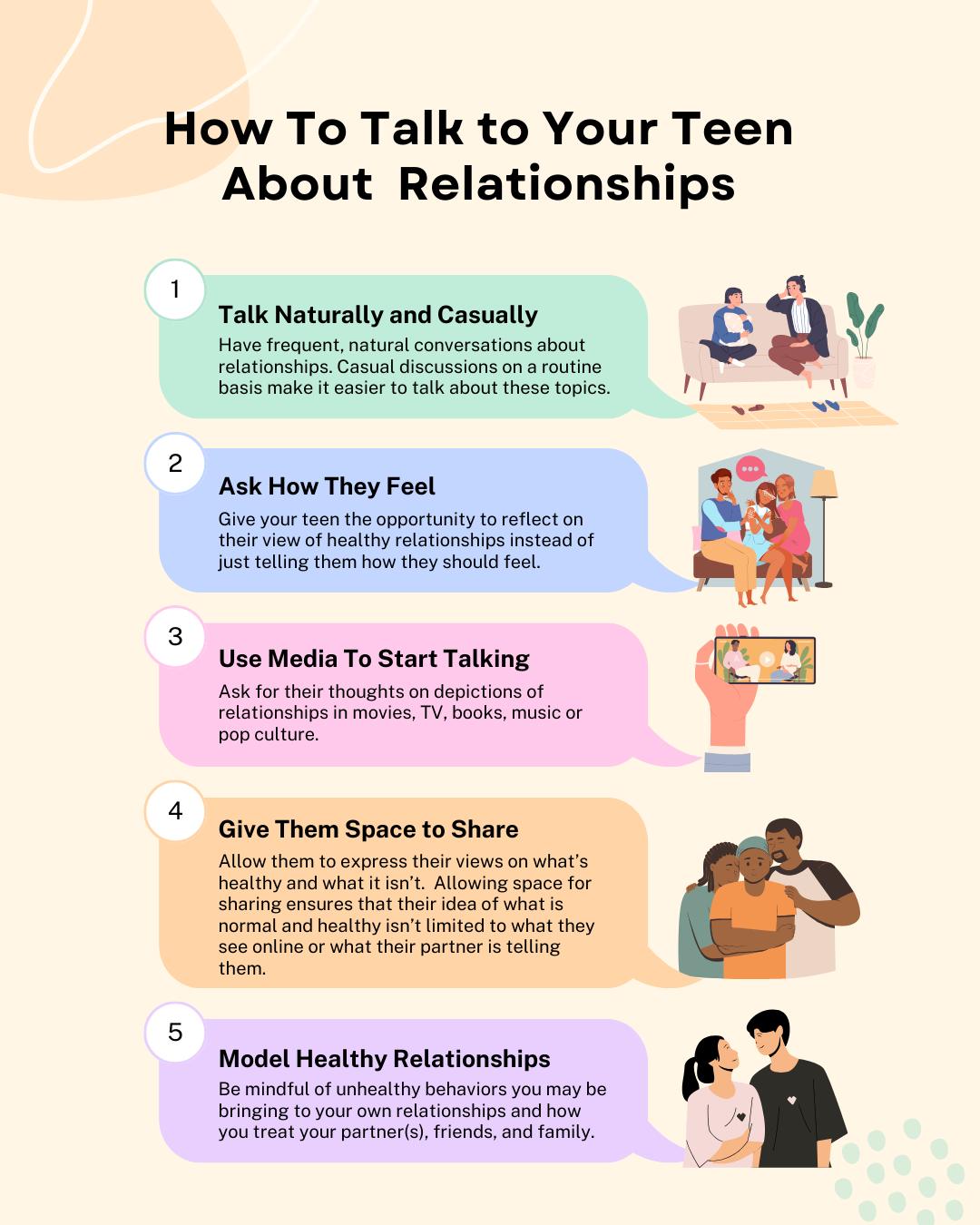
Trust your instincts. By understanding the signs of dating abuse, parents and guardians can help support teenagers in developing safe, healthy relationships. If something feels off, it’s worth exploring further and having an open conversation with them. Click Here for Tips on Talking to Teenagers About Healthy Relationships.
Learn more about JBWS’ services.
Learn more about JBWS’ Dating Abuse Prevention Program, that serves teenagers.